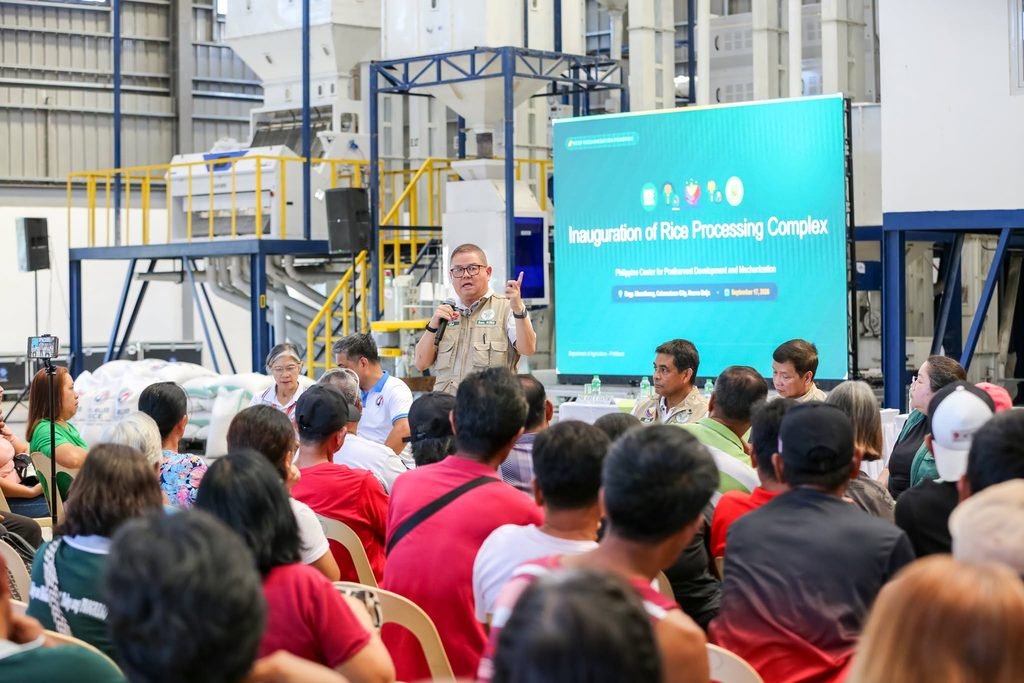
CABANATUAN CITY (PIA) – The two newly inaugurated rice processing facilities in Barangay Macatbong, Cabanatuan City are set to help advance the modernization of rice farming, reduce production costs, and increase the income of local farmers through faster and more efficient post-harvest processing.
Agriculture Secretary Francisco Tiu Laurel Jr. led the inauguration of the facilities on Thursday, September 17, under the Rice Competitiveness Enhancement Fund Mechanization Program.
Laurel said Rice Processing Systems will continue to be provided until 2028 to improve farmers’ post-harvest capacity.
He added that the use of complete processing facilities with drying systems can increase rice recovery from the usual 57 to 58 percent to 63 to 65 percent, resulting in more milled rice for farmers to sell and potentially increasing their income.
For Herminio Alejo Balaquidan, a farmer from the Kalikid Norte Producers Cooperative, the facilities are a big help as milling and drying services are now closer, reducing the need to spend on transportation.
“Ako po ay lubos na nagpapasalamat sa Department of Agriculture at sa mga namumuno [sa lokal na pamahalaan] ng Cabanatuan City, dahil sa kagandahang-palad ay dito naitayo itong post-harvest facilities,” he said.
Meanwhile, Philippine Center for Postharvest Development and Mechanization Director Dionisio Alvindia reminded farmers to take care of the two rice processing facilities to ensure continued benefits to the farming community.
He also noted that the City Government of Cabanatuan will be responsible for overseeing the facilities.
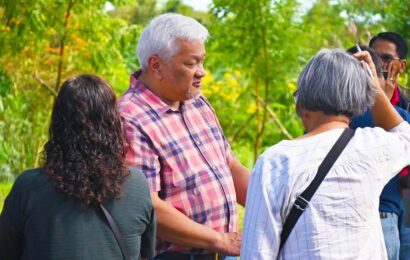
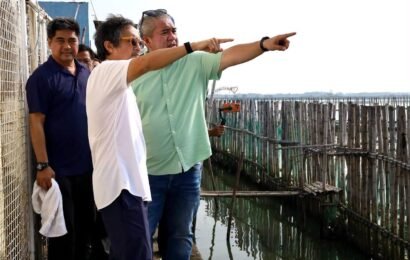
The inauguration included a ribbon-cutting ceremony, blessing, and facility tour.
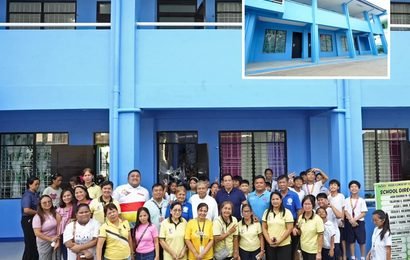
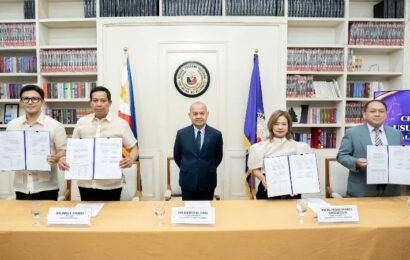
During the event, Laurel was joined by Alvindia, Department of Agriculture Central Luzon Regional Executive Director Eduardo Lapuz Jr., National Food Authority Regional Manager Jeoffrey Paraton, and Branch Manager Ma. Luisa Luluquisen.
Also present were Nueva Ecija 3rd District Representative Julius Cesar Vergara and Cabanatuan City Mayor Myca Elizabeth Vergara.
These rice processing facilities form part of the broader efforts of the administration of President Ferdinand R. Marcos Jr. to modernize agriculture while improving post-harvest support for Filipino farmers.