DOÑA REMEDIOS TRINIDAD, Bulacan (PIA) — The completion of the 67.93-kilometer Doña Remedios Trinidad-Dingalan Bypass Road is improving access to education for learners and teachers in the remote mountain communities of Doña Remedios Trinidad, Bulacan, making travel to Last Mile Schools safer and faster.
For years, learners and teachers endured long and hazardous journeys, often navigating muddy and challenging terrain that disrupted attendance and learning.
The Department of Public Works and Highways (DPWH) road project now serves as a vital link to Talamsi I Elementary School, Talamsi II Elementary School, Kalawakan Elementary School, and Kambubuyugan Elementary School, helping connect geographically isolated communities to essential education services.
Officials from the Department of Education (DepEd) recently visited the schools to assess how the completed road project has improved school accessibility, attendance, and safety for learners and teachers.
Education Secretary Juan Edgardo Angara emphasized that addressing physical barriers to education remains essential in achieving equitable learning opportunities across the country.
“Ang proyektong ito ay patunay na sa ilalim ng administrasyon ni Pangulong Bongbong Marcos, hindi lang natin tinatapos ang pisikal na isolation kundi tinutuldukan natin ang kakulangan sa oportunidad sa edukasyon sa mga pinakamalayong kabundukan (This project is proof that under the administration of President Bongbong Marcos, we are not only ending physical isolation but also addressing the lack of educational opportunities in the most remote mountain areas),” Angara said.
He added that through the collaboration of the DepEd and the DPWH in providing safe roads and modern classrooms, the government is ensuring that foundational and quality education is within reach of every child in the country’s Last Mile Schools.
Beyond improving road connectivity, the government also strengthened learning facilities in the area.
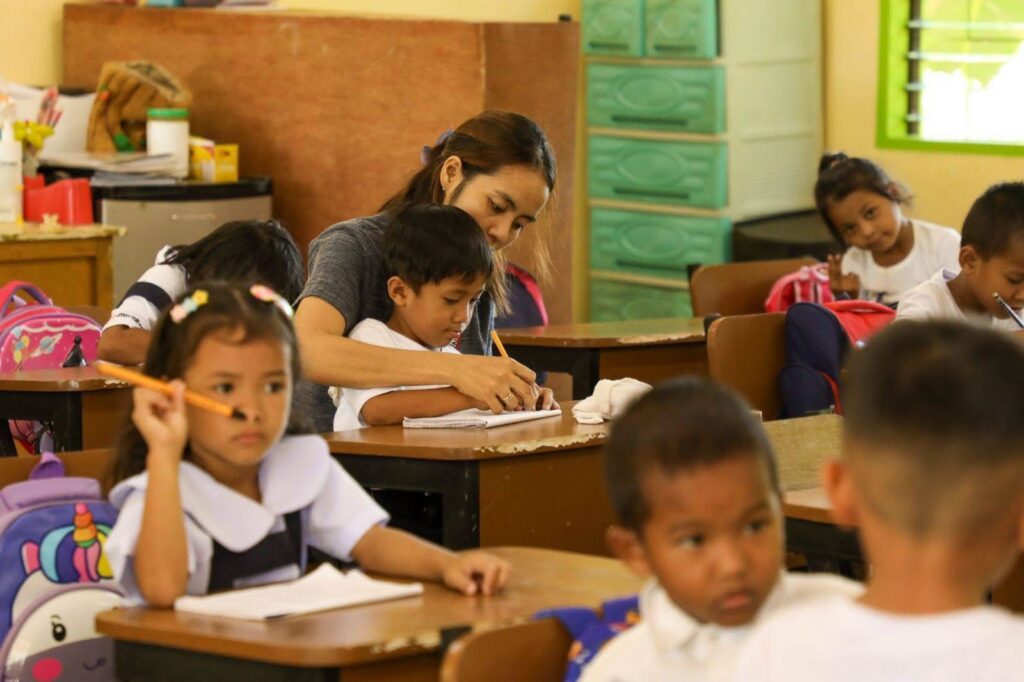
Talamsi II Elementary School, which previously operated with only two aging classrooms and makeshift spaces for multigrade classes, now has a new four-classroom school building constructed by the DPWH.
The facility is equipped with a solar energy system, a water system, and satellite internet connection, providing a more conducive learning environment for learners and teachers.
School head Jeffrey Dote recalled the difficulties they faced before the bypass road was completed.
“Dati naranasan ko pong mag-stay in sa school at masemplang sa daan dahil mahirap at putik pa ang daan noon, pero ngayon napakalaking bagay ng bagong kalsada dahil mas mabilis at ligtas na kaming nakakarating (Before, I used to stay at school and would slip on the road because it was difficult and muddy back then, but now the new road has been a huge help because we can reach our destination faster and more safely),” Dote said.
Teacher Macmartin Valiente, who has been serving at the school since 2018, said the improved road network has transformed daily travel for both learners and educators.
“Napakalaki ng improvement dahil sa pagbabago ng kalsada ay mabilis nang nakakarating ang mga bata at nakakasakay na sila sa motor para makapasok nang tama sa oras (The improvement is significant because with the improved road, the children can now travel quickly and can ride motorcycles to get to school on time),” he said.
For parents, the project has reduced travel time and eased the burden of bringing their children to school.
Parent Risa Mitra shared that what was once an exhausting journey now takes only about 30 minutes.
“Dati napakaputik at halos ubos ang oras namin sa kalsada, pero ngayon ay sobrang ginhawa na para sa aking tatlong anak (Before, the road was very muddy and we spent almost all our time on it, but now it is much more convenient for my three children),” Mitra said.
At Talamsi I Elementary School, school head Arfel Alvaro said learners now have better access to education because routes that were once difficult to traverse have become passable.
“Ngayon po kahit paano nakakapasok na sila dahil accessible na ang daan at may mga sarili na silang motor na naghahatid sa kanila (Now, at least they can attend school because the road is accessible and they already have their own motorcycles that take them there),” Alvaro said.
Multigrade teacher Joel Dela Paz, who has dedicated 24 years of service to the school, also noted significant improvements in the daily experience of learners and teachers.
“Ngayon ay medyo gumiginhawa na dahil nakakauwi na kami gamit ang motor at ang mga bata ay hindi na papasok ng putikan (Now life is somewhat better because we can go home by motorcycle, and the children no longer come to school muddy),” Dela Paz said.
The bypass road project demonstrates the government’s continuing efforts to bring development to geographically isolated and disadvantaged communities.
By improving connectivity and investing in school infrastructure, the Marcos administration is helping ensure that distance and difficult terrain no longer prevent children from accessing safe, inclusive, and quality education.