BALANGA CITY (PIA) — A Doppler weather radar station in Abucay, Bataan, is expected to improve the monitoring of localized storms and rainfall, providing weather data to support disaster preparedness in the province and Western Luzon.
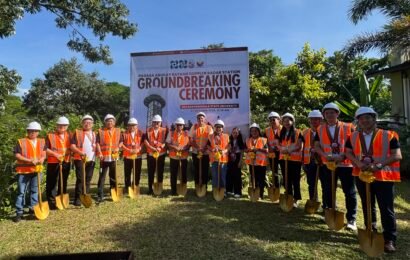
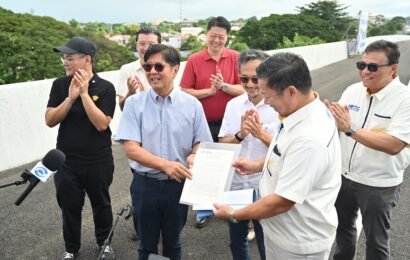
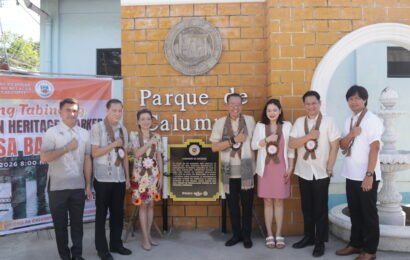
The Department of Science and Technology-Philippine Atmospheric, Geophysical and Astronomical Services Administration (DOST-PAGASA), in partnership with the Bataan Peninsula State University (BPSU), held the groundbreaking ceremony for the Bataan Abucay Doppler Weather Radar Station on October 27.
The facility will house an S-band magnetron-type dual-polarization Doppler weather radar designed to address gaps in localized weather monitoring, particularly in tracking convective storms and microscale rainbands.
Once operational, the radar will provide real-time, high-precision data on precipitation volume, wind velocity and storm tracks, helping improve weather forecasts and warnings for areas covered by the system.
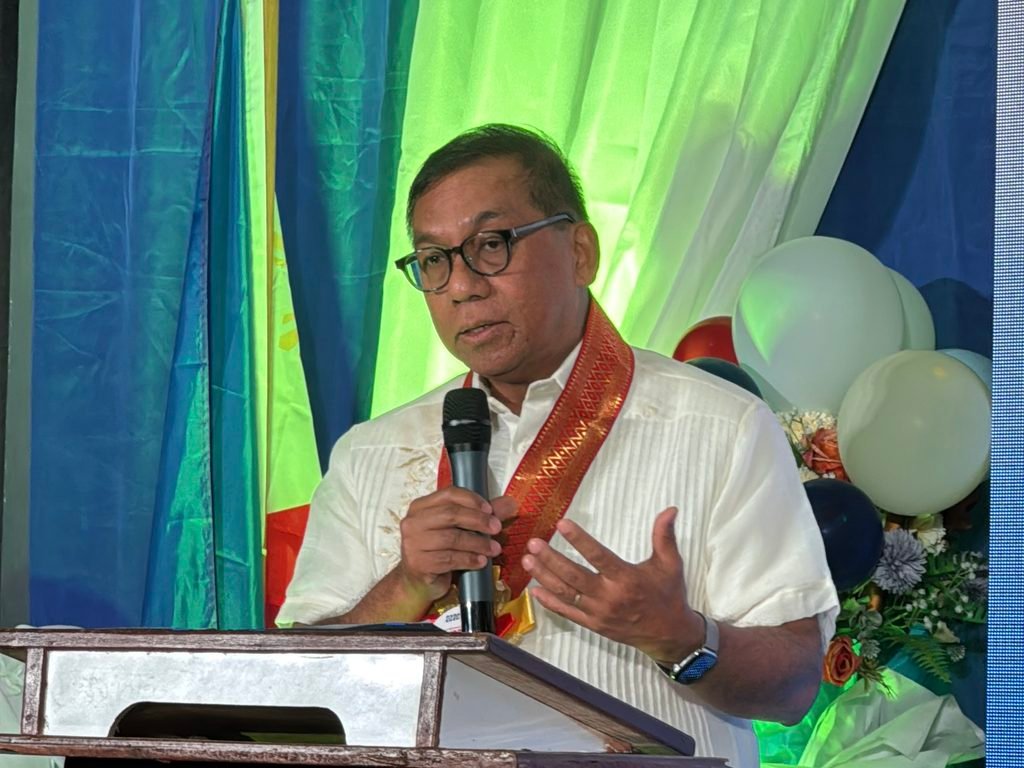
DOST Secretary Renato Solidum Jr. emphasized the importance of using scientific data to guide preventive action that protects lives, livelihoods and essential infrastructure.
“Protecting lives will always be our highest priority. But true resilience means protecting livelihoods as well: the crops our farmers work tirelessly to cultivate, the small businesses sustaining families, and the infrastructure needed to rebuild after a storm. Better information gives local leaders and families the power to take preventive action and minimize losses before disaster strikes,” Solidum said.
He also emphasized the importance of impact-based forecasting, which enables local governments, institutions and individuals to understand the potential consequences of weather events and take timely protective measures.
DOST-PAGASA Administrator Nathaniel Servando said expanding weather observation systems would help improve forecasts and warnings, strengthen understanding of severe weather and provide information for timely decisions by government agencies, emergency responders and communities.
“The ultimate purpose of investing in observation systems such as the Abucay Doppler Radar Station is to improve forecasts and warnings, strengthen the understanding of severe weather, and provide information that can support timely decisions—from national agencies and local governments to emergency managers, responders, and communities,” he said.
Servando said the project has a P250-million allocation from the Disaster Risk Reduction and Management fund. Of this amount, P200 million is allocated for the radar equipment and P50 million for the required infrastructure.
“Ang construction ng building ay ongoing pa but we’re hopeful kasi may mga participants na. Bago magtapos ang taon, in fact within, if not this month or early next month, ma-identify na namin ang magiging contractor for it. Then pag na-award na ito, it will take about 12 months na ma-complete ang building. So a minimum of two years bago matapos at maging operational ang facility,” he added.
BPSU President Ruby Santos-Matibag expressed gratitude to DOST and DOST-PAGASA for the opportunity to host the station, describing the partnership as a significant investment in community safety and resilience.
She said the radar station could benefit not only Bataan but also Central Luzon, the National Capital Region and other parts of Luzon by providing weather data to support disaster preparedness and help protect communities.
Beyond improving weather monitoring, the station is expected to strengthen communication among disaster risk reduction and management practitioners, local media and communities vulnerable to severe weather.
Access to more detailed, localized radar data will help local stakeholders interpret warnings more quickly and support timely emergency responses.
The project will also serve as a research resource for BPSU engineering and environmental science students once operational. Access to real-time radar data is expected to support academic research and encourage scientific innovation in the region.
The initiative supports President Ferdinand R. Marcos Jr.’s push for science-based disaster preparedness and climate resilience, with DOST-PAGASA continuing to modernize the country’s weather monitoring capabilities and improve access to localized information that can help government agencies and communities prepare for weather-related hazards.