CITY OF SAN FERNANDO, Pampanga (PIA) — The Central Luzon Regional Disaster Risk Reduction and Management Council (RDRRMC) has reactivated and reconstituted its Regional Task Force El Niño (RTFEN) to strengthen regional preparedness, inter-agency coordination, and measures to mitigate the effects of El Niño.
Through Resolution No. 04, series of 2026, the council approved the task force’s reactivation and reconstitution during its Special Full Council Meeting on October 28.
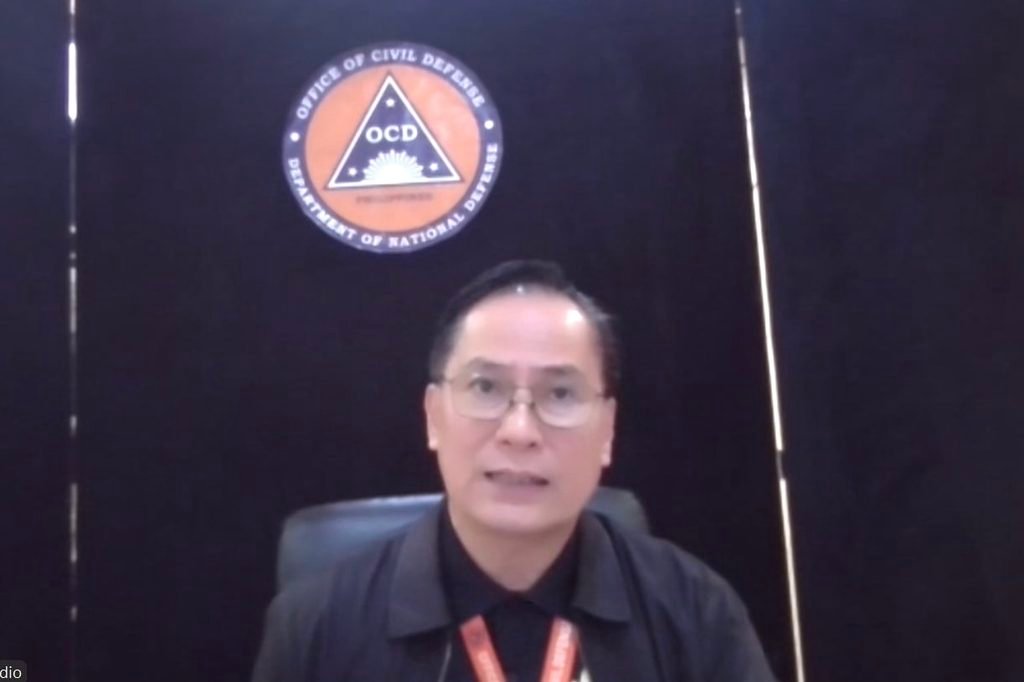
RDRRMC Chairperson and Office of Civil Defense (OCD) Acting Regional Director Assistant Secretary Cesar Idio said the move aims to strengthen coordination among government agencies and ensure the systematic implementation and monitoring of El Niño-related interventions.
“We deemed it necessary to reactivate the Regional Task Force El Niño to strengthen inter-agency coordination, facilitate the implementation of appropriate response and mitigation measures, and ensure the systematic monitoring and timely reporting of El Niño-related activities and interventions at the regional level,” Idio said.
The reactivation comes as the Department of Science and Technology (DOST)–Philippine Atmospheric, Geophysical and Astronomical Services Administration reported a strong to very strong El Niño in the tropical Pacific, according to its El Niño-Southern Oscillation monitoring update dated October 21, 2026.
The phenomenon is expected to persist until the first quarter of 2027, with its associated impacts potentially continuing through the first half of the year.
Under the resolution, OCD Region 3 will serve as chairperson and secretariat of the task force, while DOST Region 3 will act as co-chairperson.
The RTFEN will focus on five critical sectors: food security, water security, energy security, health, and public safety.
The Department of Agriculture will lead food security efforts, the Department of Environment and Natural Resources will oversee water security, and the Department of Energy will handle energy security.
For health interventions, the Department of Health Central Luzon Center for Health Development will take the lead, while the Department of the Interior and Local Government, through its regional office and the Philippine National Police, will oversee public safety.
In coordination with concerned government agencies, local government units, and other stakeholders, the designated sectoral leads will prepare and implement the Regional Task Force El Niño Action Plan.
The task force will also monitor priority interventions and related programs, projects, and activities; facilitate inter-agency coordination on priority water infrastructure projects; and conduct science-based public information and risk communication activities to help communities understand and address El Niño-related risks.
To strengthen monitoring and accountability, the resolution requires designated sectoral leads to submit weekly accomplishment and monitoring reports to OCD Region 3, which will consolidate the submissions and forward them to the RDRRMC chairperson.
The regional initiative supports the national government’s continuing efforts to mitigate the effects of El Niño. Executive Order No. 53, series of 2024, reactivated and reconstituted the national Task Force El Niño under the Office of the President and directed government agencies to update the Strategic El Niño National Action Plan and monitor interventions covering the five critical sectors.