CLARK FREEPORT ZONE — President Ferdinand R. Marcos Jr. on Thursday inaugurated the new United Parcel Service (UPS) Clark International Air Hub, an $80-million investment that will expand the country’s shipment-processing capacity, strengthen global trade links, and generate nearly 600 jobs.
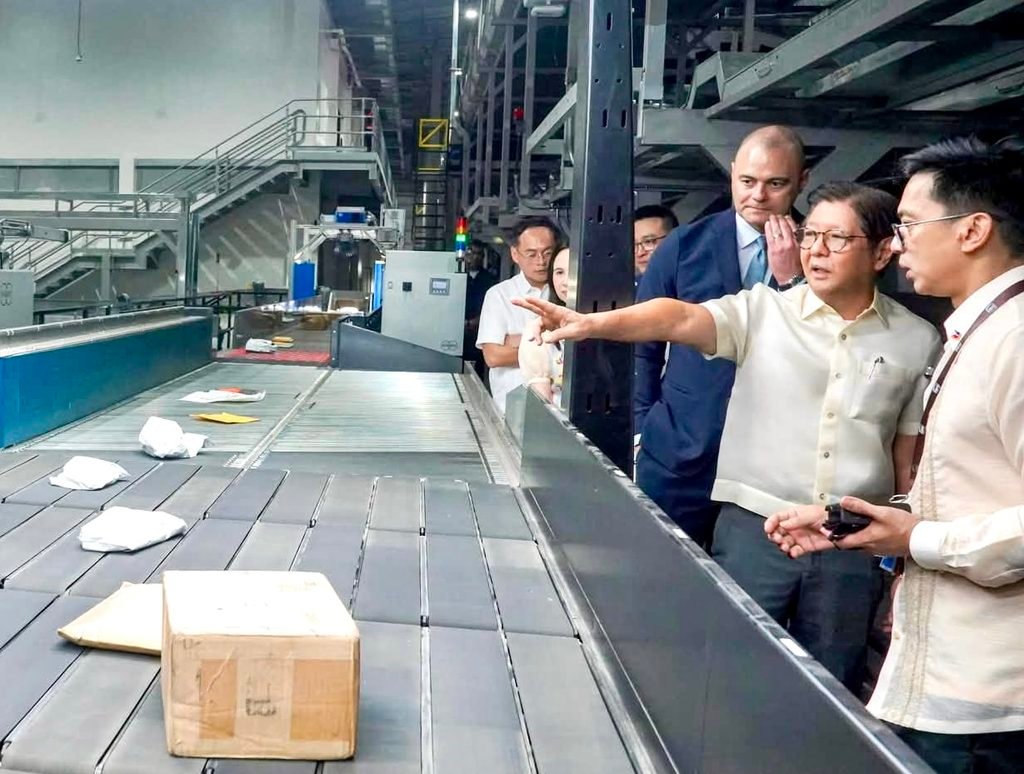
The 30,000-square-meter facility can process up to 46,000 packages daily, boosting UPS operations in Clark and facilitating faster movement of goods between Philippine businesses and international markets.
“Strengthening our logistics network [also] requires private-sector investment to expand capacity and to improve our connections to global markets. This is where the new UPS Clark International Air Hub makes a significant contribution [as it] reflects the confidence of our private-sector partners in the Philippines and our shared commitment to strengthening the country’s logistics infrastructure,” Marcos Jr. said.
The President noted that logistics costs in the Philippines account for up to 27 percent of sales, among the highest in Southeast Asia, making efficient transport and supply chains important to businesses and consumers alike.
“To address these challenges and better connect agricultural production areas to ports and businesses, the DPWH and DOTr are working to improve our roads, bridges, and transport systems,” he assured.
For his part, UPS Executive Vice President and Chief International Healthcare and Supply Chain Solutions Officer Wilfredo Ramos said the new hub strengthens the company’s services across more than 1,100 international trade lanes, supported by 170 weekly flight segments connecting Clark to businesses across Asia-Pacific, India, Europe and the United States.
“The shipment moving through Clark becomes part of a global network that connects businesses to supplier, manufacturers, customers, and markets around the world. That is why UPS continues to invest in healthcare capabilities, technology, infrastructure, and supply chain solutions around the world,” Ramos said, citing the importance of infrastructure and technology in supporting international supply chains.
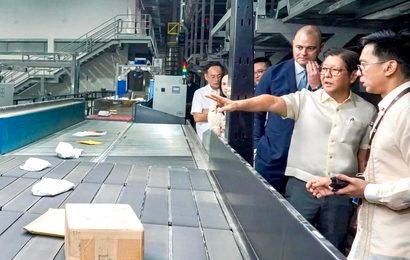
The facility features UPS Philippines’ first automated small-package sorting system, capable of processing up to 9,000 packages weighing less than three kilograms per hour.
Its expanded operations are designed to support faster transit times, earlier deliveries and extended pickup cutoff times.
Temperature-controlled storage, dedicated re-icing capabilities and shipment-monitoring technology will also support the handling of time- and temperature-sensitive healthcare shipments.
The hub also incorporates electric ground-service vehicles and equipment, while its building is designed to meet Leadership in Energy and Environmental Design standards.
The investment has created nearly 600 jobs in operations, security, information technology, mechanics and other functions, with many positions filled by workers from Pampanga and surrounding areas.
UPS Philippines Managing Director Russell Reed said the new facility would help the company meet customers’ evolving needs and support their business growth in the years ahead.
“Over these years, we’ve had the opportunity to grow alongside our customers. At UPS, we’ve always believed our job is to grow with our customers. So as their businesses evolve, we have to evolve with them. And that’s really what today is all about,” he said.
Marcos welcomed UPS’s continued investment in the country, noting that projects outside Metro Manila can generate employment and business opportunities while contributing to regional economic development.
He also emphasized the government’s responsibility to ensure the timely completion of investment projects and directed the Bases Conversion and Development Authority and Department of Trade and Industry to report every unfinished Clark investment with an opening date.
UPS established its first hub at Clark International Airport in 2002 and will mark 25 years of operations in the area in 2027.
In addition, Marcos urged government agencies and private-sector partners to continue strengthening logistics networks and ensuring that investments benefit Filipino households, particularly as the country prepares for the potential effects of Super El Niño on food supplies and prices.
“As we prepare for the effects of Super El Niño, our synergistic efforts become even more vital. By promoting the timely movement of food and other basic commodities, we can help prevent supply disruptions, ease pressure on prices, and ensure that necessities remain accessible to Filipino households. Together, let us build a Bagong Pilipinas where our local businesses thrive globally, our workers gain meaningful opportunities, and our citizens acquire the goods and services essential to a comfortable, dignified life,” he urged.