Nagpahayag ng suporta si Senador Joel Villanueva sa lumalaking panawagan para alisin na ang travel dahil pinapawalang saysay ng polisiyang ito ang kanilang layunin at hinahadlangan nito ang pagbiyahe batay sa pinansiyal na kapasidad ng mga Pilipino.
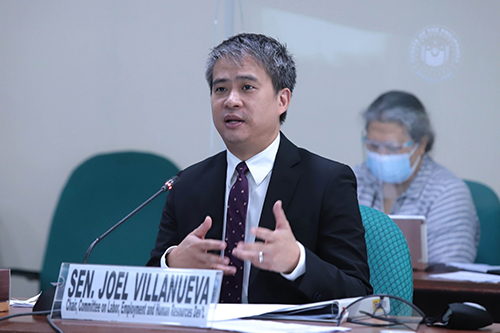
Umaasa si Villanueva na mabibigyan ng atensyon ng dalawang kapulungan ng Kongreso ang polisyang ito matapos isama ni Pangulong Ferdinand R. Marcos Jr., ang pagtanggal ng travel tax sa listahan ng priority bills sa katatapos na Legislative-Executive Development Advisory Council meeting.
Bilang unang hakbang sa pag-alis ng buwis na ito, naghain si Villaneuva ng Senate Bill No. 1529 na naglalayong tanggalin ang travel tax sa mga Pinoy at mga mamamayan ng ASEAN member-states.
“The travel tax was created at a time when international travel was a luxury and there was a need to generate additional revenues to fund tourism-related projects. Today, travel is a necessity for work, education, and trade, among others,” sabi ni Villanueva. “We can fund tourism projects without penalizing travelers at the airport.”
“Lowering the cost of travel stimulates demand, creates jobs and expands the tax base,” pagpapatuloy nioya. “Public policy must evolve with economic reality. The time is ripe for the removal of the travel tax because it is an outdated burden, and this policy shift positions our country as an open and connected economy in the region.”
Paliwanag ni Villanueva, sa paglipas na panahon, naging regressive policy ang travel tax na nagiging pabigat sa mga lower at middle-income na mga Filipino.
Halimbawa, ang isang pamilya na may apat na miyembro na nagbabalak magbiyahe ay kailangang magbayad ng P6,480 dahil ang kasalukuyang travel tax para sa economy class traveller ay P1,620 na malaking halaga na para sa mga lower-income household.
“This is money that could be better used for other necessities or reinvested in the local economy,” sabi ni Villanueva. “With millions of Filipinos traveling abroad every year, this fee can add significant costs to international travel, particularly for those who wish to engage in tourism, pursue educational opportunities, or visit family members overseas.”
Ipinunto pa ni Villanueva na bilang isang miyembrong kasapi ng ASEAN, ang Pilipinas ay obligadong sumunod sa ASEAN Tourism Agreement na nilagdaan noong 2022. Ang kasunduan ay nanawagan para sa pagtanggal ng travel levies at buwis sa mga mamamayan ng ASEAN Member States na nagbibiyahe sa ibang bansa sa Southeast Asia.
“By maintaining the travel tax, the Philippines is failing to fully comply with the agreement, which aims to promote regional integration and ease of travel,” sabi ng senador.