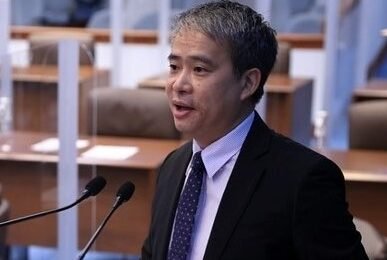
Senator Joel Villanueva called for urgent action to address the shortage of special needs education (SNED) teachers, developmental pediatricians, and allied health professionals.
“Our children cannot afford to wait. We need to address the shortage of SNED teachers,” Villanueva said.
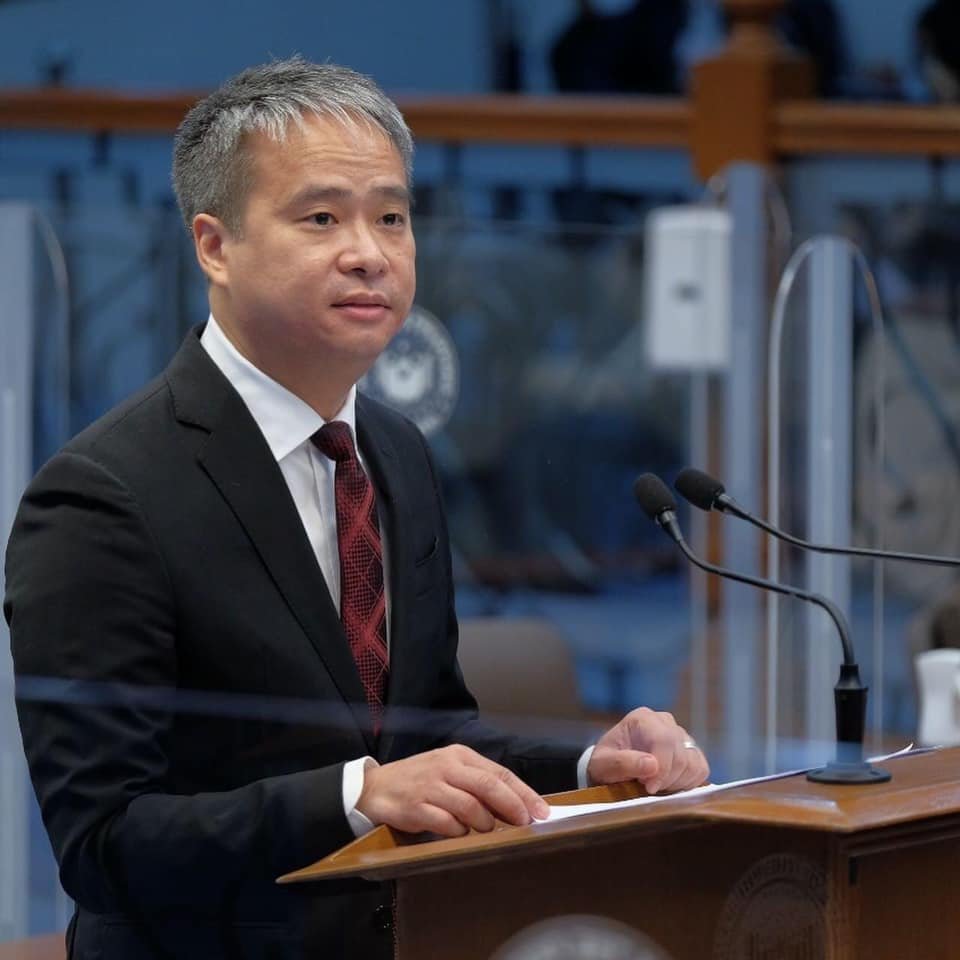
During a recent Senate hearing, Villanueva shared his visit to Minuyan Elementary School in the City of San Jose del Monte, Bulacan, where 138 children with special needs were reportedly being served by two SNED teachers. He also expressed concern over the challenges families face in securing diagnoses due to the lack of developmental pediatricians and appropriate support for their children.
Department of Education Secretary Sonny Angara agreed with Villanueva and said that it takes a year for a child to get an appointment with a developmental pediatrician.
Villanueva, co-chairperson of the Second Congressional Commission on Education (EDCOM2) also highlighted the shortage of developmental pediatricians, occupational therapists, and speech therapists, citing recruitment bottlenecks in government hospitals, including unapproved plantilla positions despite institutions’ capacity to hire more specialists.
He noted that teaching and training hospitals could increase their output with additional support. The Philippine Children’s Medical Center trains five specialists annually but could accommodate at least 15, while the National Children’s Hospital trains eight but could increase its output by at least 10. The Philippine General Hospital trains two specialists annually but it could accommodate 10.
“There are low-hanging fruits that we can actually implement right away,” Villanueva said, urging government agencies to address these gaps while pursuing long-term reforms.
He stressed that expanding the workforce must go hand in hand with affordable developmental assessments and appropriate interventions, particularly for low-income families.
Meanwhile, Villanueva also emphasized the need to institutionalize an autism care and inclusion program to help protect the rights and dignity of persons with Autism Spectrum Disorder and promote their full inclusion, participation, and well-being in society.
“The Senate already approved the National Autism Care, Support and Inclusion Act. For every child who remains undiagnosed, for every family struggling to find the right support, and for every student waiting for a teacher, we have a responsibility to act,” Villanueva, co-author and co-sponsor of Senate Bill No. 1822, said.
“Inclusion must go beyond words. It must be felt by every child and every family who needs it,” he added.